Main Dish · Instant Pot
Instant Pot Beef Stew
Fall-apart beef, tender potatoes, and sweet carrots in a rich, glossy gravy. It tastes like it simmered all afternoon, but the pressure cooker does most of the work.
- Prep20 min
- Cook1 hr 10 min
- Total1 hr 30 min
- Serves6
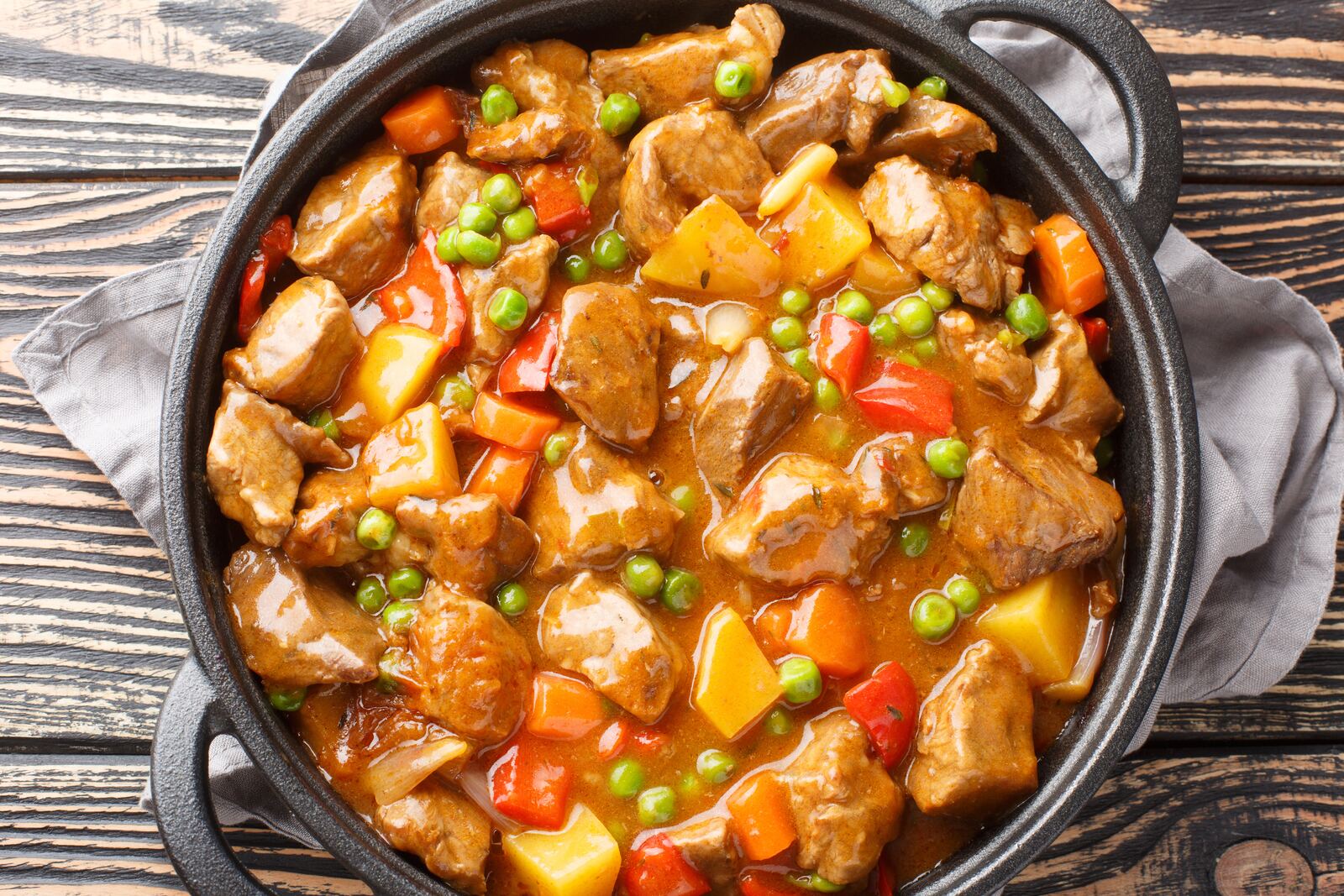
There’s a reason beef stew shows up on so many tables once the weather turns. It’s hearty without being fussy, it makes the whole kitchen smell incredible, and it tastes even better the next day. The only catch has always been time. A classic stovetop or oven stew needs two to three hours of low, slow simmering before tough beef chuck finally gives in and turns tender.
The Instant Pot changes that math. Under pressure, the same chuck roast turns spoon-tender in 35 minutes, and the broth picks up the deep, savory flavor you’d expect from a much longer cook. You still brown the beef and build a proper base, because that’s where the flavor comes from, but once the lid is locked you can walk away.
This version keeps things classic: chuck roast, potatoes, carrots, onion, and garlic in beef broth seasoned with tomato paste, Worcestershire sauce, thyme, and a bay leaf. Two small finishing touches make it a little brighter than most. A red bell pepper goes in after pressure cooking, so it stays tender-crisp instead of dissolving, and a handful of frozen peas at the very end adds color and a pop of sweetness.
Below you’ll find notes on every ingredient, tips for getting the texture just right, answers to the questions that come up most often, and the full recipe card at the bottom of the page.
Why You’ll Love This Beef Stew
- Slow-cooked flavor in a fraction of the time. Browning the beef and deglazing the pot give the broth the same depth as an all-day stew.
- Vegetables that keep their shape. Big chunks of potato and carrot hold up under pressure, so you get distinct pieces instead of mush.
- A gravy that coats the spoon. A quick cornstarch slurry at the end thickens the broth into a glossy sauce without any flour clumps.
- One pot, start to finish. Everything happens in the Instant Pot, from searing to thickening, so there’s only one pot to wash.
- Even better as leftovers. It keeps beautifully in the fridge or freezer, so a big batch means easy dinners later in the week.
Ingredient Notes
Beef stew is simple food, so each ingredient matters. Here’s what to look for and what you can swap.
- Beef chuck roast. Chuck is the best cut for stew. It’s well marbled and laced with connective tissue, which melts under pressure into tender meat and a silky broth. Buy a whole roast and cut it into 1½-inch cubes yourself; pieces this size stay juicy and won’t shred into threads. Trim away any thick pieces of hard fat, but leave the thin streaks of marbling.
- Olive oil. Just enough to brown the beef. Any oil with a reasonably high smoke point, like avocado or canola, works too.
- Yellow onion and garlic. The aromatic base of the stew. Chop the onion fairly small so it melts into the gravy, and mince the garlic fresh rather than using the jarred kind.
- Low-sodium beef broth. Low-sodium really matters here. A pressure cooker doesn’t let liquid evaporate the way simmering does, so salty broth stays salty. Starting with low-sodium broth lets you season to taste at the end.
- Tomato paste. Two tablespoons add body, a little sweetness, and a deeper color. It won’t make the stew taste like tomatoes.
- Worcestershire sauce. A splash of savory, tangy depth. It’s one of those ingredients you won’t notice on its own but will miss if it’s gone.
- Dried thyme and bay leaf. Classic stew herbs that hold up well under pressure. If you only have fresh thyme, use about a tablespoon of leaves.
- Yellow potatoes. Yukon Golds or other yellow potatoes are waxy enough to hold their shape and creamy enough to taste buttery. Russets will work, but they tend to break down and cloud the broth.
- Carrots. Cut them into 1-inch pieces. Thin coins turn soft in a way that’s pleasant in soup but disappointing in stew.
- Red bell pepper. Not traditional, but it brings color and a fresh sweetness that balances the rich gravy. It goes in after pressure cooking for exactly that reason.
- Cornstarch and cold water. The slurry that thickens the stew. Always mix cornstarch with cold water first; stirred straight into hot liquid, it forms lumps.
- Frozen peas. Add them at the end, straight from the freezer. They warm through in a minute and stay bright green.
- Salt and pepper. For seasoning the beef before it browns. Taste the finished stew and add more if it needs it.
Equipment
You’ll need a 6-quart or 8-quart Instant Pot or a similar electric pressure cooker, a sharp chef’s knife and cutting board, a wooden spoon or flat-edged spatula for scraping the pot, and a small bowl for the slurry. Tongs make browning the beef in batches much easier.
How to Make Instant Pot Beef Stew
Here’s an overview of each stage. You’ll find exact amounts and step-by-step instructions in the recipe card below.
1. Season and brown the beef
Pat the beef cubes dry with paper towels, then season them all over with salt and pepper. Dry meat browns; wet meat steams. Set the Instant Pot to Sauté on More, add the oil, and wait until it shimmers. Brown the beef in two or three batches, giving each batch 2 to 3 minutes without moving it around too much. You’re after a deep brown crust on at least a couple of sides, not cooked-through meat. Move each batch to a plate as it finishes.
2. Soften the onion and garlic
Turn the Sauté setting down to Normal and add the onion. Cook it for about 3 minutes, stirring now and then, until it softens and starts to turn translucent. Add the garlic for the last 30 seconds, just until it’s fragrant.
3. Deglaze the pot
This is the most important step in the whole recipe. Pour in a cup of the broth and scrape the bottom of the pot with a wooden spoon until every browned bit has lifted off. Those bits are concentrated flavor, and leaving them stuck to the pot is also the most common cause of the dreaded Burn message.
4. Pressure cook
Add the rest of the broth, the tomato paste, Worcestershire sauce, thyme, and bay leaf, then return the beef and any juices from the plate. Pile the potatoes and carrots on top. Lock the lid, turn the valve to Sealing, and pressure cook on High for 35 minutes. When the cooking time ends, let the pressure come down on its own for 10 minutes before releasing the rest.
5. Finish, thicken, and serve
Fish out the bay leaf. Switch back to Sauté on Normal and stir in the bell pepper, giving it 2 to 3 minutes to soften slightly. Meanwhile, stir the cornstarch into the cold water until smooth, then pour the slurry into the bubbling stew and stir until the broth turns thick and glossy. Add the peas, let them warm through, taste for salt, and serve.
Tips for the Best Beef Stew
- Don’t crowd the pot when browning. If the cubes are touching, they release steam and turn gray instead of brown. Two or three batches take a few extra minutes and are worth every one of them.
- Scrape thoroughly when you deglaze. The Instant Pot senses heat at the bottom of the inner pot. Anything stuck there can scorch and trigger a Burn message before the pot reaches pressure.
- Stir the tomato paste into the liquid. Thick ingredients can settle on the bottom of the pot and scorch. Stir the tomato paste into the broth so it dissolves instead of sitting in a clump.
- Cut the vegetables big. Potatoes in 1½-inch chunks and carrots in 1-inch pieces cook in the same time as the beef without falling apart.
- Don’t skip the natural release. Letting the pressure drop on its own keeps the meat juicy. Releasing all of it at once can leave the beef tougher and drier.
- Season at the end. Flavors concentrate under pressure. Taste after thickening and adjust the salt and pepper then, not before.
- Make it a day ahead. Like most braises, beef stew is even better the next day, once the flavors have had time to settle.
Variations
- Add red wine. Use a dry red wine, like Cabernet Sauvignon or Merlot, in place of the first cup of broth when you deglaze. It adds richness and a gentle acidity.
- Add mushrooms. Brown 8 ounces of quartered cremini mushrooms after the beef and before the onion.
- Swap some of the potatoes. Parsnips or turnips can replace part of the potatoes for a sweeter, earthier stew. Cut them the same size.
- Keep it gluten-free. The stew is thickened with cornstarch, not flour. Just check that your Worcestershire sauce and broth are labeled gluten-free.
- Finish with herbs. Stir in a handful of chopped fresh parsley right before serving.
What to Serve with Beef Stew
Crusty bread or warm dinner rolls for dipping are a must. Buttermilk biscuits, cornbread, or a simple green salad with a sharp vinaigrette round out the meal. For an extra-hearty dinner, spoon the stew over mashed potatoes or buttered egg noodles.
How to Store and Reheat
- Refrigerator. Let the stew cool, then store it in an airtight container for up to 4 days.
- Freezer. Freeze it in portions for up to 3 months. The potatoes soften a little after freezing, but the flavor holds up well. Thaw overnight in the refrigerator.
- Reheating. Warm it on the stovetop over medium-low heat or in the microwave, stirring occasionally. Add a splash of broth if the gravy has thickened too much.
Frequently Asked Questions
Why is my beef still tough?
It almost always needs more time, not less. Chuck goes through a tough stage before its connective tissue breaks down. If a piece is still chewy after the natural release, lock the lid again and pressure cook for a few more minutes.
Can I use precut stew meat?
You can, but packaged stew meat is often a mix of cuts and sizes, so some pieces turn tender while others stay tough. Cutting up a chuck roast yourself gives you consistent results.
What does the Burn message mean?
The pot has detected that something on the bottom is getting too hot, usually browned bits that weren’t scraped up or thick ingredients that settled. Release the pressure, scrape the bottom well, add a little more liquid if needed, and start pressure cooking again.
Do I have to brown the beef?
The stew will still cook without it, but browning creates most of its deep, savory flavor and rich color. It’s worth the extra 10 minutes.
Can I double this recipe?
Yes, in an 8-quart Instant Pot. Keep the pressure cooking time the same; the pot will just take longer to come up to pressure. Never fill the inner pot past the max line.
Can I make it in a 3-quart Instant Pot?
Halve the recipe and keep the same cooking time. A 3-quart pot holds about half as much as a 6-quart, so the full recipe won’t fit.
Can I add the peas and bell pepper before pressure cooking?
You can, but they won’t hold up well. The peas turn olive green and mushy, and the pepper falls apart. Adding them at the end keeps them bright.
Can I thicken it with flour instead of cornstarch?
Yes. Whisk 3 tablespoons of all-purpose flour into ¼ cup of cold water and stir it in the same way. Let it bubble for a couple of extra minutes so the flour loses its raw taste.
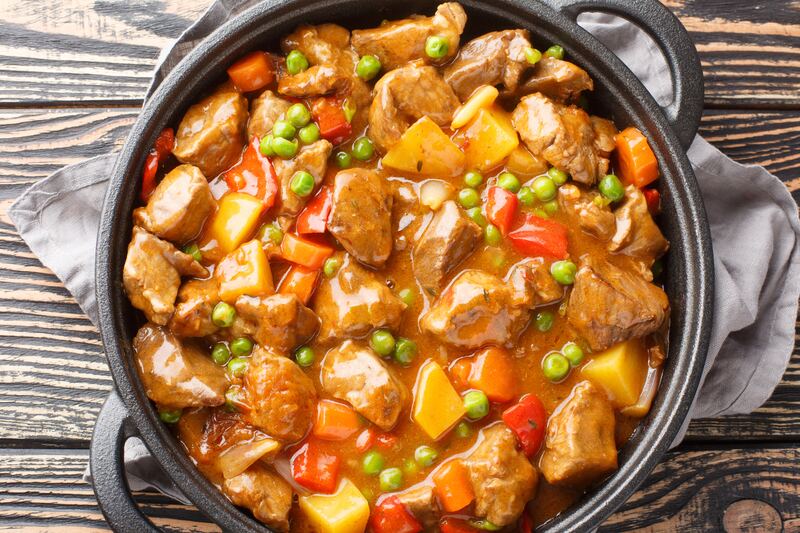
Instant Pot Beef Stew
Tender beef, potatoes, and carrots in a rich, glossy gravy, made in the Instant Pot.
- Prep
- 20 min
- Cook
- 1 hr 10 min
- Total
- 1 hr 30 min
- Servings
- 6
- Course
- Main Course
- Equipment
- 6-quart Instant Pot
Ingredients
- 2 lb beef chuck roast, cut into 1 1/2-inch cubes
- 1 tsp salt
- 1/2 tsp black pepper
- 1 tbsp olive oil
- 1 yellow onion, chopped
- 3 cloves garlic, minced
- 3 cups low-sodium beef broth
- 2 tbsp tomato paste
- 1 tbsp Worcestershire sauce
- 1 tsp dried thyme
- 1 bay leaf
- 1 lb yellow potatoes, cut into 1 1/2-inch chunks
- 4 carrots, cut into 1-inch pieces
- 1 red bell pepper, cut into 1-inch pieces
- 2 tbsp cornstarch
- 2 tbsp cold water
- 1 cup frozen peas
Instructions
- Season the beef with the salt and pepper.
- Select Sauté and set it to More. Add the olive oil. When it’s hot, brown the beef in batches for 2–3 minutes per batch, until browned. Transfer the beef to a plate.
- Set Sauté to Normal. Add the onion and sauté for 3 minutes, adding the garlic during the final 30 seconds.
- Add 1 cup of the broth and scrape the bottom of the pot to deglaze, loosening all the browned bits.
- Add the remaining broth, tomato paste, Worcestershire sauce, thyme, bay leaf, beef, potatoes, and carrots.
- Lock the lid and turn the valve to Sealing. Pressure cook on High for 35 minutes, then let the pressure release naturally for 10 minutes before quick releasing the remaining pressure.
- Remove the bay leaf. Select Sauté on Normal, add the bell pepper, and sauté for 2–3 minutes.
- Stir the cornstarch into the cold water. Add the slurry to the pot and stir until the stew has thickened.
- Stir in the peas until heated through. Season to taste and serve.
Notes
- Cut the potatoes and carrots into large chunks so they hold their shape under pressure.
- Add the bell pepper after pressure cooking so it stays tender-crisp.
- Leftovers keep in the refrigerator for up to 4 days or in the freezer for up to 3 months.